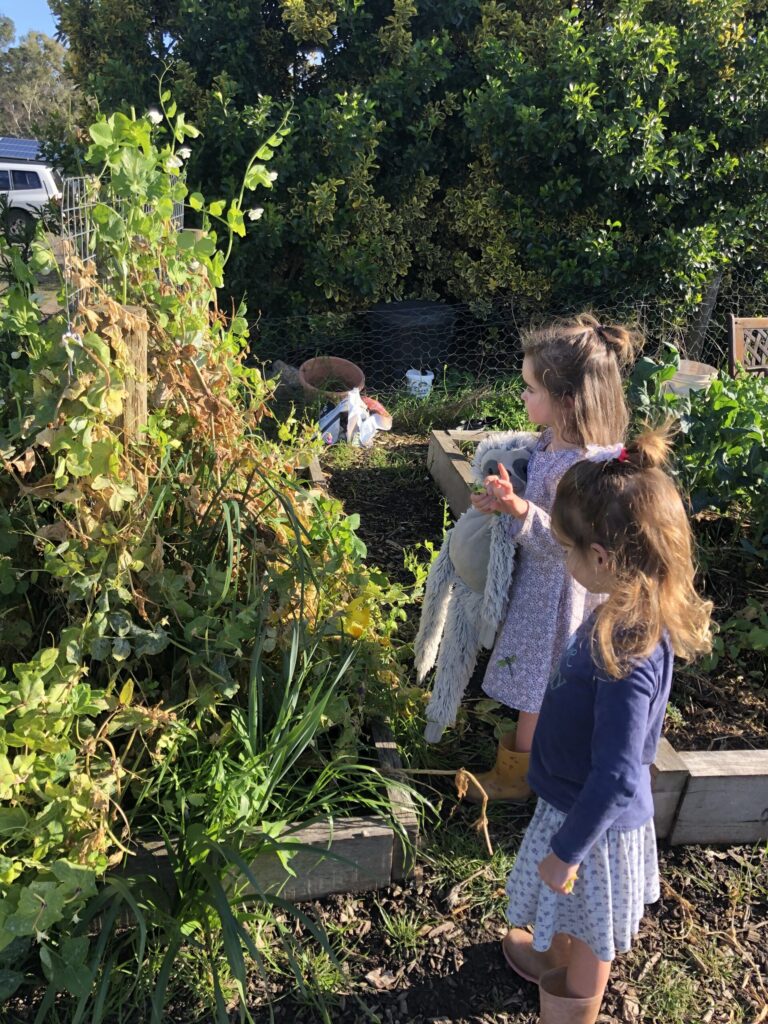
Snow peas are an excellent crop and can be grown all year round in many areas. Snow peas can be eaten fresh as a snack, popped in a salad or even cooked in a stir-fry with some garden herbs and a creamy sauce. They are abundant, beautiful and children love to hunt for them amongst the vines. Here are a few tips to get them growing in your patch this season.
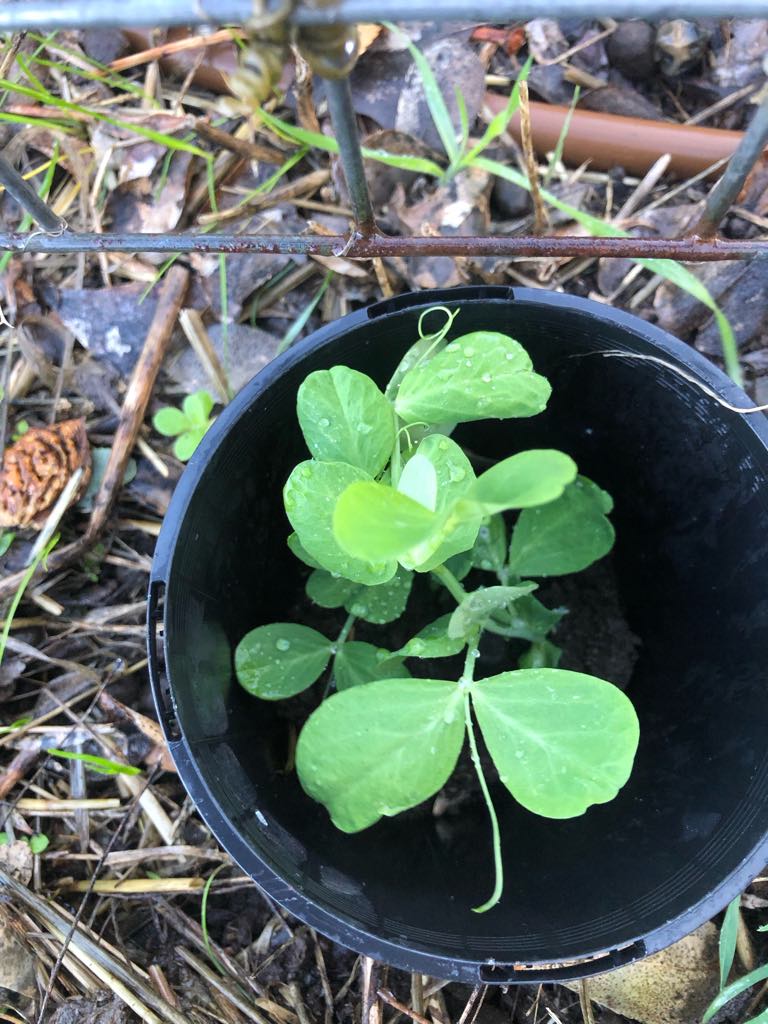
Snow peas love to climb. As they grow their tiny tendrils wrap themselves around supports surprisingly quickly. I have used rio mesh from building sites, firm mesh from my local hardware store and I am currently using ARC mesh fencing panels that I found second hand on Marketplace. As my garden can face very windy conditions my panels are attached to wooden fence posts that are secured in the ground. In most gardens that deal with less wind a star dropper on either end of the piece of mesh would suffice. If I am starting snow peas in the ground I make sure my support or trellis is in place and then plant my seeds right next to the base of the secure frame. This allows the snow pea plants to have support right from the start of their growing life. If I add my support later once the plants have already begun to grow I could damage the little baby roots with my stakes. Snow pea seeds are planted at two to three times the depth of the seed. The seeds can be soaked overnight before planting but this is not a necessary step, it just speeds up the sprouting process. I will also sometimes start my seeds in pots to prevent pressure from earwigs, snails, etc. I love to use old hedging plant nursery pots that have ten separate compartments because I can water my seeds and move them to better locations easily as a group. I plant the snow pea seedlings out once they reach at least four centimetres in height. Snow pea seedlings from a plant nursery are also a great option. Ask if the seedlings will need to be hardened off (placed in the location where they will grow for small periods of time to get used to the growing conditions) or if they are ready to be planted in the ground straight away.
Sometimes snow peas will need help to grab hold of the trellis or climbing frame. Gently pushing the snow pea plant against the trellis and making sure a tendril or two are touching the frame is usually enough to get it started. Snow peas are actively looking for something to climb on and will attach themselves to weeds or sticks if that’s what they reach first.
Snow peas can also be planted in a large pot. A circular piece of mesh or a teepee made of bamboo and string can provide the support snow peas need to grow vigorously in a pot. They can be placed right at the front door for ease of watering and harvesting. Remember to use a premium potting mix so that the soil has all the nutrients needed for the plants to grow lush and strong all the way through to harvest. Place the pot out of the wind but with plenty of access to sunlight.
Too many snow peas? At some point in the harvest season I end up with too many snow peas for us to eat fresh. At this point in time I will put some in a paper bag and take to a friend’s house so they too can benefit from the delicious and fresh taste of homegrown snow peas. I have also frozen snow peas for future use in stir-fries and shepherd’s pie. Snow peas can be blanched first (boiled for a minute in water and then popped straight into iced water to cool) or frozen as they are – I have frozen them both ways and I think they taste the same, the blanched snow peas just retain more colour than the alternative. Once they’re cooked into a stir-fry they tend to lose their colour anyway. Frozen snow peas take up very little space in the freezer and are a delicious way to enjoy snow peas when they’re not available fresh in the garden.
Snow pea plants are beneficial for the soil. Their roots cause the soil to be enriched with increased nitrogen. Snow peas also require less fertiliser than many other vegetables, making them an excellent crop to grow in a new or tired garden bed. Some of the plants that love to grow in a garden bed that recently hosted snow peas are cucumbers, pumpkins, lettuce, spinach, cabbage and carrots. These plants will all benefit from the nitrogen enriched soil left by the growth of snow pea plants. Snow pea plants can also be chopped and dropped (cut up into small pieces using secateurs and laid on top of the soil) if they have not succumbed to mildew, creating a green mulch that will release more nutrients into the garden bed as they rot down.
Snow peas have nutrients that benefit us! Snow peas contain Vitamin A and Vitamin C. They also contain small amounts of Vitamin K, folate and various B vitamins as well as some beneficial minerals. These nutrients benefit our immune system as well as skin health and cell growth.
There are many ways to use snow peas. Snow peas can be eaten raw or cooked, whole or diced. We love to put snow peas in the kid’s lunch boxes as a tasty, easy snack at fruit time. I have snow peas diced or I will pinch off snow pea shoots to chop up in salads, or in a sandwich with some lunch meat and cheese. Snow peas are delicious with hummus or drizzled with honey, or as a lightly fried side to salmon.
Snow peas are one of the easiest plants to save seeds from. When the vine has plenty of pods, mark the largest and best looking pods to be kept for seed with a piece of coloured wool. Allow these to grow lovely and big before cutting them and taking them inside to dry in a warm, protected location. I pop mine on a high shelf in the kitchen where they won’t be disturbed. I keep the peas in their pods as they dry, to protect them. Remember to let the children know not to eat the marked pods on the vine – I like to choose pods that are high up and difficult to reach to reduce the temptation. Once the peas are completely dry and rattling around inside their dried-up pod, carefully crack them out and pop them in a labelled envelope ready to plant again next season. Peas that are saved from snow pea plants grown in our own local area will be even tougher and more used to the specific conditions found there.
Snow peas can grow year round with varying degrees of success and are beneficial for your soil. They prefer to be grown on a trellis but will also successfully fruit while trailing across the ground if necessary. They can be direct sown or grown from seeds in seed starting pots. They can also be purchased as seedlings and will happily transfer into the garden bed. A quick growing and delicious legume, snow peas will quickly become a productive staple in the vegetable patch and a table staple.