Today is a top of 11 degrees Celcius, gale force winds and bucketing with rain. I am cozy inside by the wood fire while one of my children lays on the couch beside me listening to the Little House On The Prairie audio book. Bliss. I used to detest the short, cold days of winter but I am gradually finding more joy in it. I do enjoy employing a snuggly blanket and a craft project with plenty of fireside story reading with my children while the trees quiver outside in the weather.
While there are certain challenges with gardening in winter, don’t write it off as a complete loss just yet. There are ways to garden in winter that will produce more food to ease the budget, bring a greater sense of joy to your household and keep your gardening passion active and productive all year round.
Please note that I live in a temperate zone in South Australia. We have hot and dry summers and while our winters are wet and cold with frosts overnight, some plants will still grow throughout the winter months. Read through these ideas and take the gems that are relevant to you and your growing zone.
Garden in pots on the north or east side of the house. Many of the areas further from our house experience frost two or three nights per week over winter. Unless a plant is well established this can certainly knock it around. I have three pots at my front door, which is on the North-East side of our house. This ensures that they receive morning sun and protection from the brisk southerly winds. The warmth from the morning sun also soaks into the brick of our house exterior and the concrete front porch and reflects back onto the pots later in the day, warming them. Finally, the pots are under the eave which means they never battle with frost.
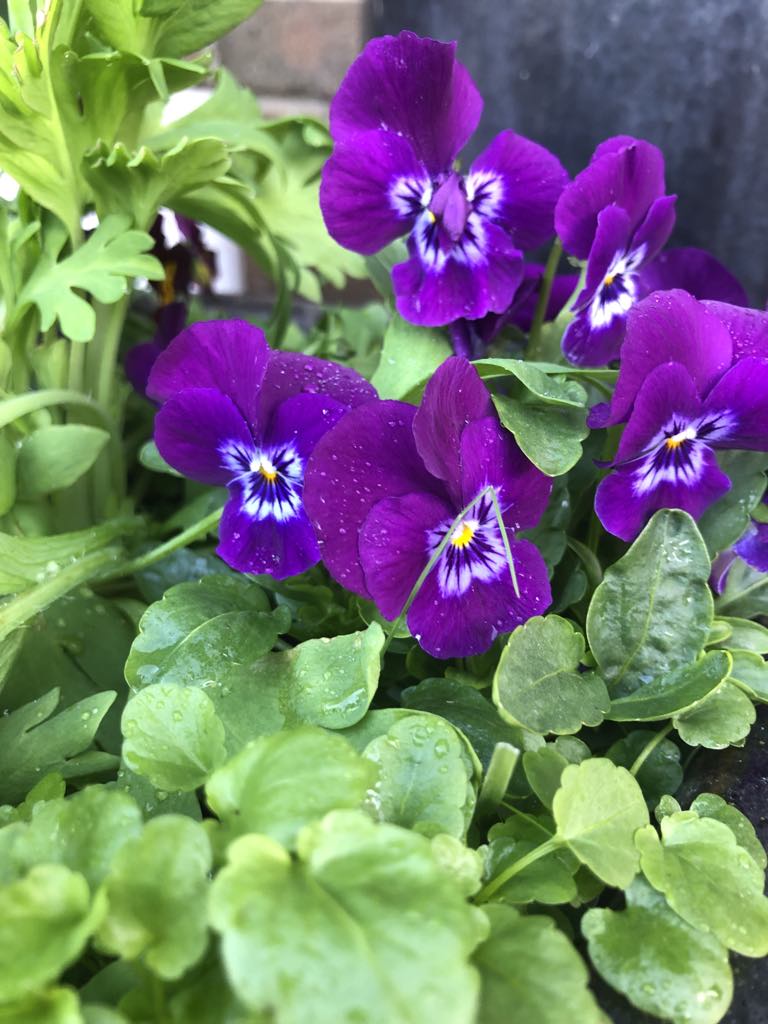
I am currently growing violas and Iceland poppies in two of the pots, with a bay tree thriving in the third. I have also previously grown lettuce, cherry tomatoes, chives and strawberries in this warm little potted ecosystem.
Utilise a cold frame. I added a timber frame to one of my raised veggie beds. I used pieces of pine and clear corrugated polycarbonate roofing sheets – two roofing sheets overlapped fit my rectangular garden bed beautifully. Two hinges at the back of the bed enable me to open and close the lid easily. I have faced mine slanting towards the east to catch more sun. This was a cost effective and simple way to provide a warmer spot for select fruits and vegetables to grow. While it is not warm enough in there to grow tomatoes and cucumbers in winter, the winter fruits and vegetables grow at almost the double the rate as their counterparts in the rest of the garden. They also have less pest pressure. Rainbow chard, parsley, lettuce, spring onions and broccolini are some of the winter vegetables that I have successfully grown in the cold frame. One day I would LOVE to get a green house or a hoop house to try and further my winter growing efforts but there are a few other items on the ol’ budget to achieve before that. For now, this cold frame is absolutely increasing our ability to eat fresh greens and herbs throughout the chilly season.
Use a black plastic pot with the base removed to protect the seedling. If I plant a seedling in winter I will put a black plastic pot with the base cut out, the kind you get plants from the nursery in, over it. I also use white plastic three litre milk bottles. I cut the base off the jug or the pot with a pair of scissors, plant the seedling into the garden bed, place the pot over the seedling (it can grow out of the top) and press gently about a centimetre into the ground. This stops critters that crawl along the ground from eating the seedling as the sides are slippery and high. The black plastic also absorbs warmth from the sun for the plant to enjoy and protects the plant from frost to a degree. If I forget to pop an old pot over my seedling it is frequently gobbled up by some nefarious critter by the next day, so while I don’t love the slightly daggy way it makes the garden look for a couple of months, it’s worth it for more of my seedlings to survive the pests and the weather conditions. .
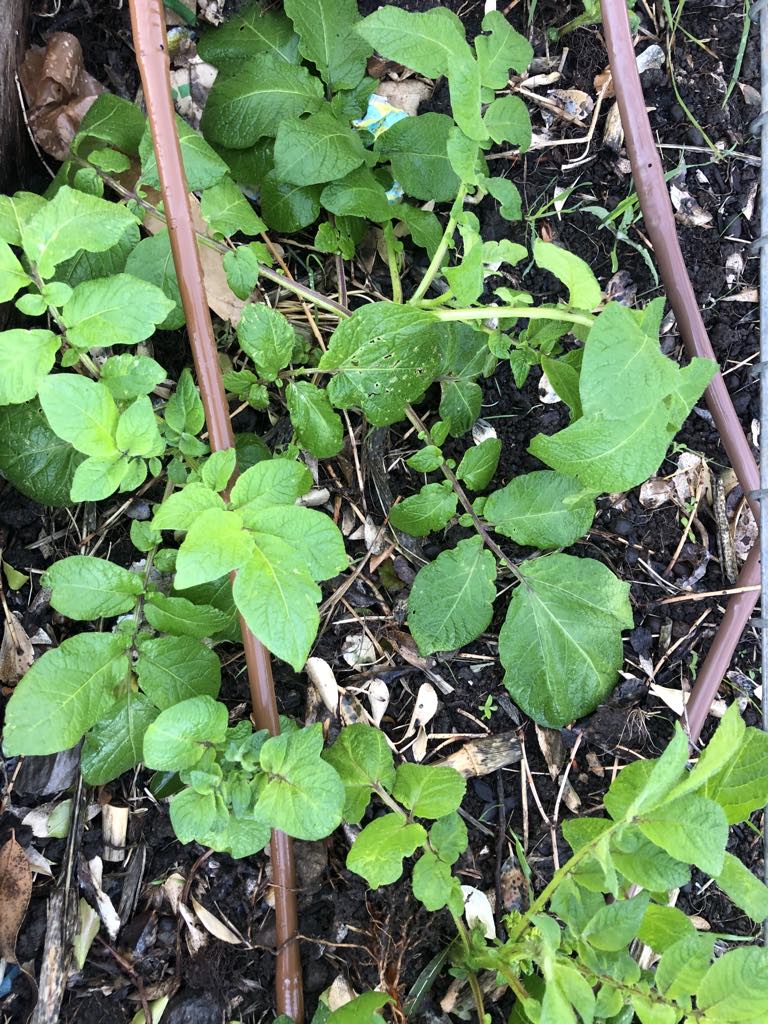
Choose plants that don’t mind the cold. Some plants aren’t too worried about the cold, indeed winter is prime time for several flowering plants. With plenty of rain around select plants will thrive over the winter months. Hardenbergia, correas, camellias, wattles and daffodils are all plants that flower quite happily over winter, bringing some cheer to the garden and some much needed food for the bees and other pollinators that are brave enough to venture out in the cold. Kale, snow peas, potatoes, onions, broccoli and cauliflower will grow throughout winter, especially if they can get established in autumn when the soil is warmer. Choosing the right plant is paramount to garden success.
Quick Winter Job:
Prune the fruit trees. In winter when the leaves have fallen away it is easy to see rogue branches or twigs that have started growing in the wrong direction. Grab out the secateurs and give the fruit trees a tidy up. I like to aim for a vase shape on my fruit trees, removing branches or growth that are overlapping other branches or bending back in on itself. Care for secateurs afterwards by wiping over the blades with a damp clean rag and then dabbing a little oil (I use olive oil) on the blades before putting them away.
While winter is a delightful time to cozy up by the fire with a book and a cuppa, it is still a good idea to duck outside in your gumboots and do a little gardening. We are glad for some fresh produce to add to dinner and flowers to grace the table, even through the colder winter months. By choosing plants that cope with the cold, using a DIY cold frame and gardening in pots on the sunny side of the house, gardening does not have to stop over winter.