Gardening is one of those activities that can cost anywhere between free and astronomically out of this world high. Earthworks, retaining walls and water features are all words that can strike fear into the heart of the budding gardener (and their spouse!). I have never had much spare cash for gardening but as it is a passion of mine, I have tried a variety of ways to save money while developing a productive garden. Here are few of the ways I have gardened on a super tight budget.
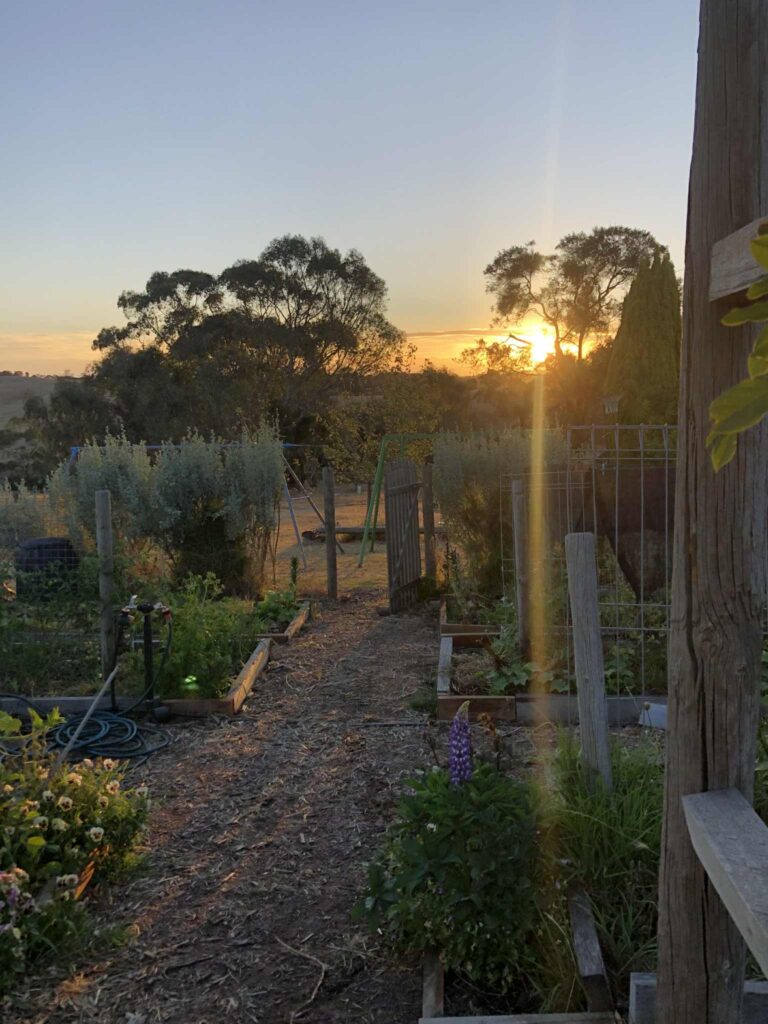
Grow plants from cuttings. Many plants can be grown from cuttings, sourced from friends or local parks. My Mum has a lovely garden and when I go and stay with her I’ll often bring home a bunch of cuttings on the last day of my visit wrapped in wet paper towel and then slipped into a ziplock bag. I have lavender, yarrow, sedum ‘Autumn Joy’ and love in the mist that have all grown from cuttings from Mum’s house.
To take cuttings, use a pair of secateurs. Snip off a piece of the plant about ten centimetres long and strip the leaves off the bottom half of the piece. I like to get to a piece of older twig (grey/brown stem) rather than the bendy, newer growth (green stem). Wrap the cutting in a piece of wet paper towel and pop in a plastic bag to keep the cut end from drying out during travel. When home, either poke it straight into the garden (I have fairly heavy clay soil so this method works really well for me during winter and spring) or dip the end in honey or plant cutting powder and then plant into a pot or the garden with a little potting mix. Firmly press the soil around the cutting. Within a couple of months the cutting should have some roots growing on it. Mark the cutting with a stick to remember its location.
Buy from the hospital plant section. Most plant nurseries have a section where they put plants that are struggling. They will often be sold for a fraction of the original price because they need some TLC before they will thrive in the garden. Perennial plants that just need a trim or to have their roots teased out before planting in the garden bed are ideal candidates for a bargain. Don’t waste time on annuals that are finishing their lifespan as they might not be recoverable.
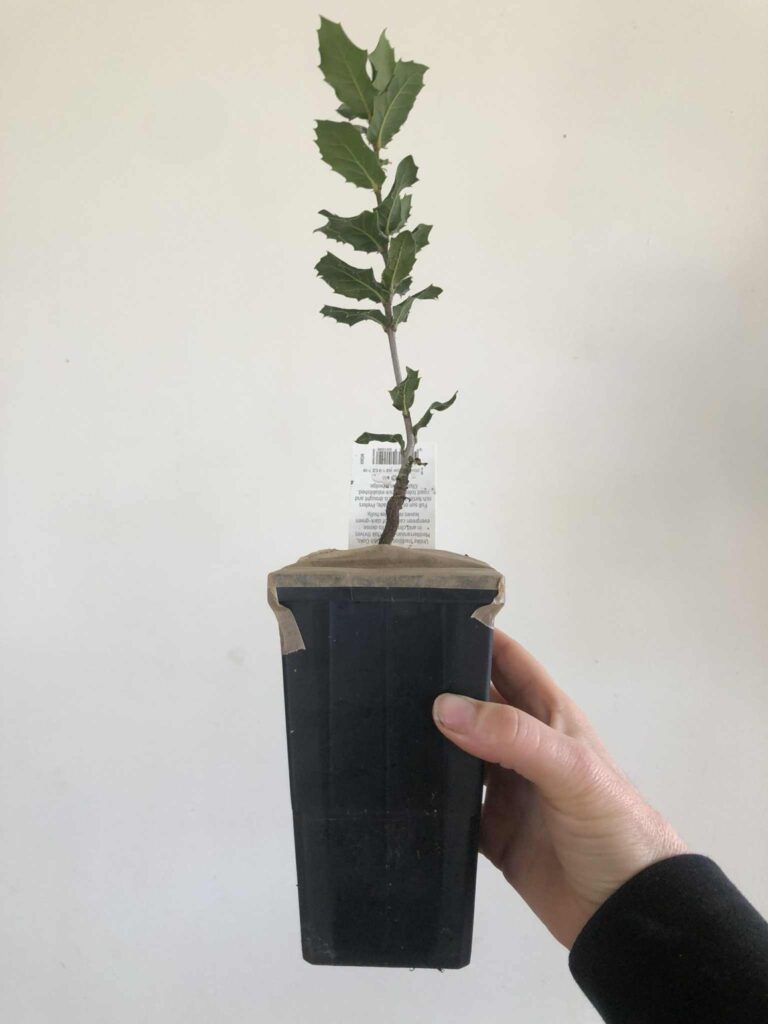
Buy smaller plants because they are cheaper. Large plants that plant nurseries have had to repot, water and care for over a number of years understandably cost a lot more than smaller versions of the same thing. Smaller plants or trees adapt to their new location more effectively. Their smaller root system is not as affected by transplantation and has not become so established growing in the confines of its pot. The extra time spent growing a smaller plant to a larger size is worth the savings.
Take cuttings from my own plants. I have a larger garden so there are always spaces for more plants. I will grab out my secateurs and take cuttings from plants that I already have in the garden. I then poke these cuttings in gaps around the place or get them started in a pot ready to plant out in a couple of months. Rosemary, daisies and salvia are some of the plants that lend themselves to this treatment. I have a single white daisy plant that I bought for $2.50. Once it grew big enough I took three cuttings from it and planted them around the garden. Every few months I repeated this process. The original plant is now dead and removed but its little cutting babies and grandbabies are still growing in their various locations. I have five Old Man Saltbush plants sheltering my vegetable patch from harsh sun and winds on one side. I want to create similar shelter around my fruit tree zone and have taken cuttings from my saltbush plants. They are currently living in my cold frame taking root in pots. Once they have established roots I will plant these around the south-west side of the fruit trees to provide additional protection.
Ask for a garden nursery voucher for birthday or for Christmas. Many of us have someone in their life who would love to be pointed in the right direction when it comes to a birthday or Christmas gift. If anyone in my life asks what I would like for an upcoming celebration I will often ask for a voucher at the nearest plant nursery. People enjoy giving gifts they know will actually be appreciated. I like to send them a picture of what I purchased with their voucher gift afterwards.
Scour Marketplace and Buy Nothing sites for plant give aways or excellent bargains. I saw a bunch of bearded iris plants on Marketplace in my local town for free because the gardener had split up some of her bearded iris and couldn’t bear to put the extras in the bin. When I next went up the street I popped past and picked up the bearded iris and added them to my garden. Agapanthus is another plant that is frequently advertised for free on Marketplace. Other plants and trees are available for free if I’m willing and able to bring a shovel and dig the plants up myself as the owner just wants the space cleared. I once had a huge bird of paradise plant that I didn’t want but couldn’t remove myself because I was heavily pregnant. I advertised it on Marketplace and four different people came and dug up what they wanted from the huge specimen, clearing my garden space and providing free plants for others.
Grow from seed. While it feels nice to plant seedlings and established plants it is much more cost effective to grow from seed. A packet of seeds may cost $5, a fraction of the cost of the plants they will produce. Sowing the seeds directly into a multi-pack of pots will help keep track of what seeds have been planted and can easily be labelled or moved around to different favourable conditions. Many plants grow easily from seed and can be easy to save seed for the next season.
Give your kitchen scraps a second life. There are a few different ways to turn kitchen scraps and lawn cuttings into liquid gold for the garden that once they’re established it won’t cost a thing. My personal favourite is to own a couple of chickens or ducks. Most scraps can be given to the chickens to scratch around in and peck over and they will process it for you. Chicken manure can be put into a garden bed that isn’t currently being used or into a compost bin to turn into soil. A worm farm is another great option to turn peelings, carrot ends, paper scraps and shredded cardboard into goodness for the garden. Avoid citris, meat and onion in the worm farm to keep those worms happy.

Facilitate a plant swap. If you have a few friends who also enjoy their garden it could be a whole lot of fun to organise a plant swap. Host it at someone’s house and bring a snack to share. Each person brings along some spare bulbs, cuttings, seeds and excess seedlings. Everyone can take what they like and what doesn’t get used can go in the compost. Everyone gets to have a catch up, give away some of the plants they don’t need and gain some plants or cuttings they don’t have in their own garden yet. Some things I have shared with others are iris rhizomes that have multiplied in my garden, cucumber seeds that are from a variety I don’t plan to grow this season, daisy cuttings and tomato seedlings that are surplus to my needs.
Gardening does not have to be an expensive activity. Thinking a little more creatively about the way we garden can draw out our ideas and enable us to be a little more intentional and patient with our time in the garden. I look forward to hearing about the ways you save a buck on your green patch!